%20(1400%20x%20750%20px)%20(23).jpg)
If you've been dealing with headaches that come back week after week, you already know how exhausting it gets. The over-the-counter painkillers stop working as well as they used to. The headaches interrupt your sleep, your work, and the things you actually want to be doing. And the frustrating part is that a lot of conventional approaches focus on managing the symptoms rather than looking at what's driving them in the first place.
Acupuncture takes a different approach, and for many people struggling with chronic headaches or migraines, it offers something they hadn't found elsewhere: actual, lasting relief.
What the Research Says About Acupuncture and Headaches
Acupuncture has been used in Traditional Chinese Medicine for thousands of years to address pain, and modern research has started to catch up. A large review published in the Cochrane Database found that acupuncture is at least as effective as preventive drug treatment for migraines, and for some patients, more effective, with fewer side effects.
For tension-type headaches, which are the most common kind, multiple studies have shown that regular acupuncture sessions significantly reduce both the frequency and intensity of episodes. This is meaningful because tension headaches are often dismissed as "just stress," when in reality they can be completely debilitating.
The mechanism comes down to how acupuncture affects the nervous system. By inserting fine needles at specific points on the body, acupuncture stimulates the release of endorphins and serotonin, calms overactive pain pathways, and promotes improved blood flow to areas like the neck, shoulders, and head where tension commonly builds. It also directly influences the trigeminal nerve pathway, which plays a major role in migraine activity.
Common Types of Headaches That Acupuncture Can Help
Not all headaches are the same, and part of what makes acupuncture valuable is that treatment is tailored to the individual rather than applied as a one-size-fits-all fix. Here are the types of headaches that tend to respond particularly well:
Tension Headaches are usually felt as a dull, aching pressure around the forehead, temples, or back of the head. They're often tied to stress, poor posture, or prolonged time at a desk. Acupuncture addresses both the muscular tension in the neck and shoulders and the nervous system dysregulation that keeps the pain cycling.
Migraines involve more intense, often one-sided pain that can come with nausea, light sensitivity, and visual disturbances. Acupuncture helps by reducing the frequency of attacks and, over time, lessening their severity. Many patients who begin acupuncture for migraines find they need less medication to manage episodes.
Cervicogenic Headaches originate in the neck and refer pain upward into the head. These are especially common in people who spend a lot of time driving, working at a computer, or doing repetitive upper-body work. Acupuncture is well-suited for this type because it directly targets the structures in the cervical spine and surrounding muscles.
Hormonal Headaches tied to the menstrual cycle are another area where acupuncture has shown real promise. By supporting hormonal balance through the endocrine system, regular treatment can reduce the predictability and intensity of these headaches over time.
What to Expect from Acupuncture Treatment for Headaches
A lot of people are curious about acupuncture but hesitant because they're not sure what the experience actually involves. At Shane McLean R.Ac Home Clinic in Severn, the first appointment begins with a thorough intake conversation, covering your headache history, triggers you've noticed, sleep quality, stress levels, and overall health. That context matters because it shapes the treatment approach.
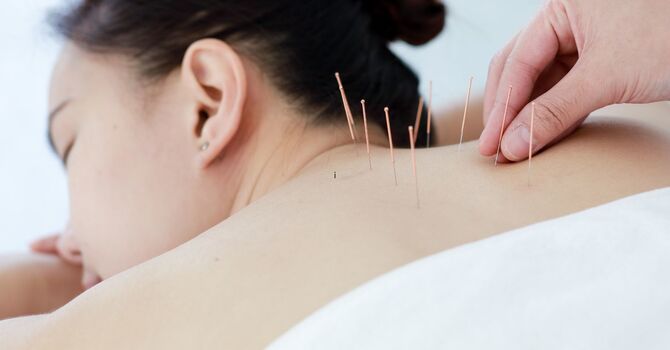
The acupuncture session itself is calm and gentle. The needles used are hair-thin, and most people are surprised by how little they feel. Some points produce a mild warmth or a faint dull ache that settles quickly. Most people leave feeling noticeably more relaxed than when they arrived.
Headache relief isn't always immediate after a single session, though some people do experience that. For most, results build over the course of several treatments. A common approach is weekly sessions for the first four to six weeks, with reassessment from there based on how you're responding.
Why Patients in Severn, Orillia, and Midland Choose Acupuncture
For people living in Severn and surrounding communities like Orillia and Midland, access to specialized healthcare can require driving further than it should. Having a qualified acupuncturist close to home means it's actually realistic to follow through on a course of treatment rather than abandoning it after one or two sessions.
Shane McLean is a Registered Acupuncturist and Honours graduate in Traditional Chinese Medicine Acupuncture, with a focus on personalized care. Treating patients in a home clinic setting means visits feel less clinical and more like genuine one-on-one care, which makes a real difference for people dealing with chronic pain.
A Note on Combining Acupuncture With Other Care
Acupuncture works well on its own and also pairs well with other approaches. If you're seeing a massage therapist for neck tension, working with a physiotherapist on posture, or managing migraines with medication under a physician's guidance, acupuncture can complement those efforts rather than replace them. The goal is getting you relief, and often the best path there involves more than one tool.
Ready to Try Acupuncture for Your Headaches?
If you're in Severn, Orillia, Midland, or the surrounding area and you're tired of managing headaches without getting to the bottom of them, acupuncture may be worth exploring. The intake process is straightforward, the treatment is gentle, and many people see meaningful improvement within just a few sessions.
Book an appointment with Shane McLean R.Ac and take the first step toward fewer headaches and more good days.