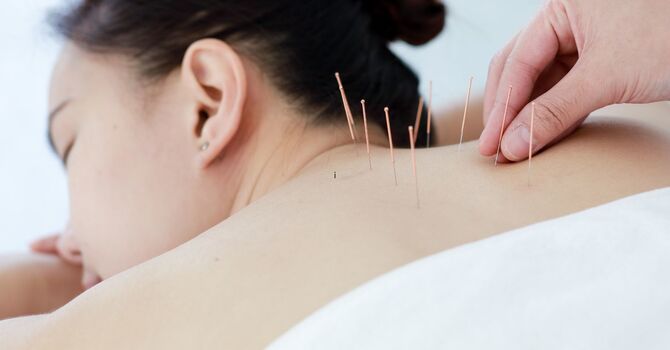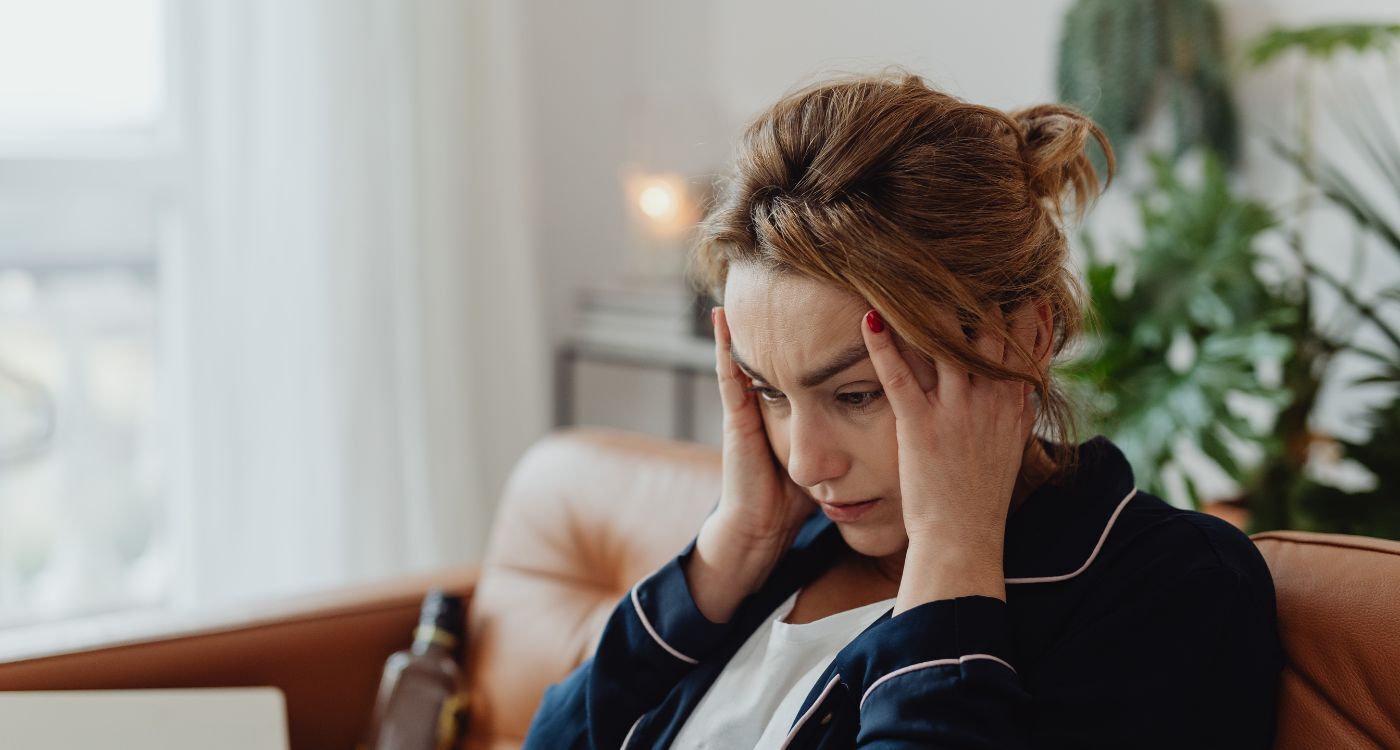
Anxiety is more than a bad week or a stressful stretch at work. For many people, it is a persistent undercurrent; a low-level hum of worry, physical tension, and mental restlessness that never quite turns off. If that sounds familiar, you have likely tried more than a few approaches to manage it. Acupuncture for anxiety is one option that tends to come up eventually, often with a fair amount of scepticism attached.
That scepticism is reasonable. The question worth asking is not whether acupuncture sounds plausible, but what it actually does in the body, whether the evidence supports it for anxiety specifically, and whether it might be worth trying in your situation. This post covers all three.
What Anxiety Looks Like from a TCM Perspective
Western medicine tends to categorize anxiety as a mental health condition rooted in neurotransmitter activity and nervous system dysregulation. Traditional Chinese Medicine (TCM) arrives at a similar destination through different language.
In TCM, anxiety is most commonly associated with patterns involving the Heart (which houses the shen, or spirit) and the Kidney (which governs the body's foundational energy). When these systems are out of balance through chronic stress, poor sleep, overwork, or unresolved emotional strain, the shen becomes unsettled. The result is a restless mind, difficulty sleeping, a tendency to startle easily, and a pervasive sense of unease that does not resolve on its own.
What matters practically is that TCM treats anxiety as a whole-body pattern, not an isolated mental symptom. That is what shapes how an acupuncturist approaches treatment.
Does Acupuncture Work for Anxiety? What the Research Shows
The research on acupuncture for anxiety has grown considerably over the past decade. A 2018 systematic review published in the Journal of Acupuncture and Meridian Studies found that acupuncture produced meaningful reductions in anxiety symptoms across multiple clinical trials, with effects comparable to cognitive behavioural therapy in some comparisons. A 2021 review in Evidence-Based Complementary and Alternative Medicine similarly concluded that acupuncture is a promising intervention for generalized anxiety disorder, with a strong safety profile and few adverse effects.
The proposed mechanisms align with what we already know about how acupuncture affects the nervous system: it activates the parasympathetic response (the body's rest-and-digest mode), reduces cortisol levels, and supports the regulation of serotonin and GABA, neurotransmitters that play a direct role in anxiety. For people dealing with anxiety that is intertwined with poor sleep, digestive upset, or chronic physical tension, these effects are especially relevant, since those systems are all involved.
It is worth being direct: acupuncture is not a cure for anxiety disorders, and it works best as part of a broader approach to health. But the evidence that it helps, meaningfully, for many people, is solid.
Acupuncture for Anxiety vs. Acupuncture for Stress: Is There a Difference?
This comes up often. Stress and anxiety share significant overlap, and acupuncture for stress and anxiety is often discussed as a single category. In practice, there is a useful distinction.
Stress is typically situational, it rises and falls with external demands. Anxiety tends to persist independent of circumstances. Someone dealing with anxiety often feels worried or on edge even when nothing is actively wrong, and the physical symptoms (tight chest, shallow breathing, GI disturbance, difficulty concentrating) can become a constant background feature of daily life.
From an acupuncture standpoint, the treatment approach reflects this. Stress treatment often focuses on regulating the Liver and supporting the nervous system's ability to shift out of fight-or-flight. Anxiety treatment tends to involve a deeper focus on the Heart and Kidney patterns described above, with attention to sleep quality, emotional resilience, and the underlying depletion that tends to accumulate in people who have been anxious for a long time.
In short: the treatments overlap, but anxiety-focused acupuncture is more targeted and typically requires a longer course to produce lasting results.
What an Anxiety Treatment Looks Like at Shane McLean R.Ac Home Clinic
At Shane McLean R.Ac Home Clinic in Severn, ON, every course of treatment begins with a thorough intake conversation. For anxiety, that means understanding not just the symptoms but the context: sleep patterns, energy levels, the nature of the worry (generalized vs. situational), physical manifestations, and what else is happening in your health picture.
Shane's approach integrates life coaching alongside acupuncture, which makes a practical difference for anxiety treatment in particular. The physical and the psychological are deeply connected in this kind of work, and having a practitioner who is comfortable holding both is not something you find everywhere. Patients dealing with anxiety related to major life transitions, chronic health concerns, or burnout tend to find that integration especially useful. You can read more about Shane's background and training on the About page.
Sessions are conducted in a private home clinic setting; no shared waiting rooms, no background noise, no sense of being moved through a busy schedule. For someone whose nervous system is already running hot, that environment matters.
Acupuncture for Anxiety and Depression: A Note
Anxiety and depression frequently occur together, and acupuncture's effects on mood regulation make it a relevant option for both. The same neurological pathways that acupuncture influences in anxiety; serotonin regulation, HPA axis modulation, parasympathetic activation, are implicated in depression as well. If you are dealing with low mood alongside anxiety, that is worth mentioning at your intake appointment, as it shapes the treatment approach.
Acupuncture is not a substitute for psychiatric care when that is clinically indicated. For mild to moderate presentations, and as a complement to existing treatment, the evidence base is encouraging.
What to Expect: Timeline and Results
Most patients dealing with anxiety notice some shift in how they feel; usually a sense of calm or reduced physical tension, during or immediately after their first few sessions. Lasting change typically requires more time.
For generalized or longstanding anxiety, a realistic expectation is noticeable improvement over six to eight sessions, with ongoing sessions to maintain and deepen the effect. Some patients respond faster. Individual results vary, and a practitioner who tells you otherwise is oversimplifying.
Sleep quality often improves alongside anxiety, since the two are tightly connected. If disrupted sleep is part of your picture, acupuncture for sleep addresses those patterns directly and tends to reinforce the work being done for anxiety.
Is Acupuncture Worth Trying for Anxiety?
If you have been dealing with anxiety that has not fully responded to other approaches, or if you are looking for a non-pharmaceutical option to complement what you are already doing, acupuncture is a legitimate and well-supported avenue to explore.
The evidence is solid. The mechanism makes sense. And the treatment experience itself, quiet, unhurried, physically relaxing, is often the opposite of what an anxious nervous system has been getting.
Shane McLean is a Registered Acupuncturist (R.Ac) and TCM practitioner accepting new patients at his home clinic in Severn, ON, with evening and weekend appointments available. He serves patients from Orillia, Midland, Gravenhurst, Barrie, and surrounding Simcoe County. If you are ready to explore acupuncture for anxiety and stress, the first step is a conversation.
Book an appointment or reach out through the contact page if you have questions first.
%20(1400%20x%20750%20px)%20(23).jpg)